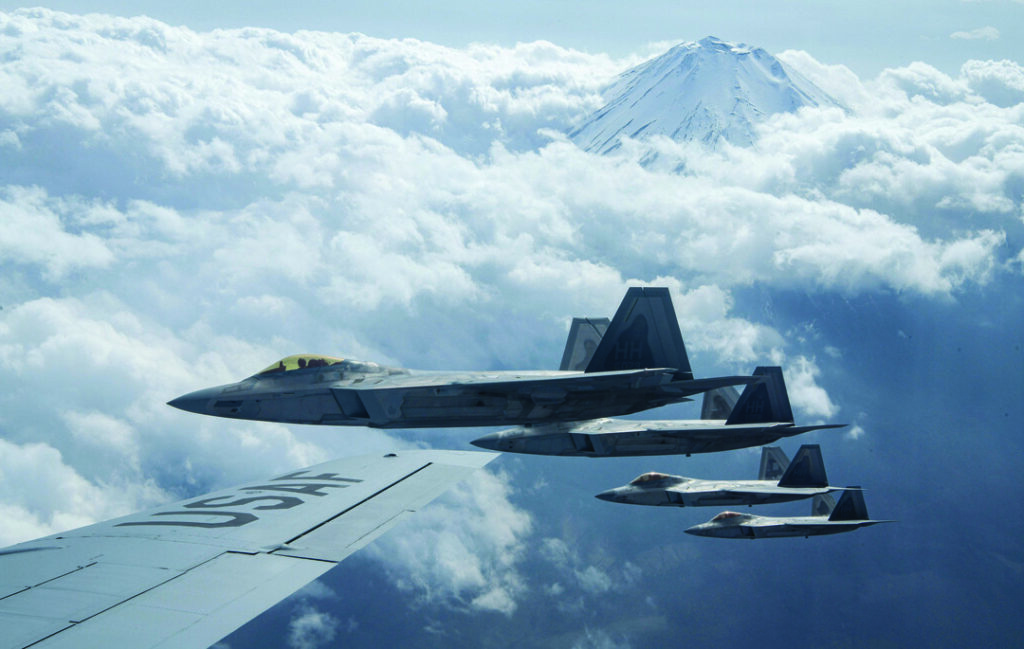
In a bold and provocative move, Russia and China have conducted a joint military operation by sending warplanes to test the United States’ response time. This significant act of military posturing occurred mere hours before President Joe Biden was scheduled to address the nation from the Oval Office, where he is expected to announce his decision to step down from the 2024 presidential race. The timing and nature of this operation have raised alarms and highlighted the escalating tensions between these global powers and the United States.
The Joint Military Operation
The joint operation involved a fleet of Russian and Chinese warplanes conducting maneuvers near the U.S. Air Defense Identification Zone (ADIZ). According to Pentagon sources, the operation was designed to test the response capabilities of the U.S. military. This joint exercise is one of the most significant displays of military cooperation between Russia and China in recent years.
Fox News chief national security correspondent Jennifer Griffin reported on the operation, emphasizing its timing and potential implications. “This is a clear message from Russia and China, testing not only our response time but also our resolve,” Griffin stated. “Such actions are meant to gauge our readiness and potentially exploit any perceived weaknesses.”
Details of the Maneuver
The operation began early in the morning and involved various types of military aircraft, including bombers and fighter jets. The planes flew in formation, making several passes near the U.S. ADIZ. U.S. military radar detected the incursion almost immediately, and fighter jets from the North American Aerospace Defense Command (NORAD) were scrambled to intercept and monitor the foreign aircraft.
“U.S. forces responded swiftly and effectively,” said a Pentagon spokesperson. “Our pilots and ground crews are trained for these situations, and they performed their duties with precision. The foreign aircraft never breached U.S. airspace, but their proximity and coordination were concerning.”
Timing and Political Context
The timing of this joint military operation is particularly noteworthy. It comes just hours before President Biden’s highly anticipated Oval Office address, during which he is expected to announce his decision to step down from the 2024 presidential race. The President’s speech is set against a backdrop of intense political pressure and challenges, both domestically and internationally.
Jennifer Griffin highlighted the potential motivations behind the operation’s timing. “The timing is no coincidence,” she remarked. “Russia and China are likely trying to capitalize on the political uncertainty in the U.S. By conducting this operation now, they are sending a signal that they are watching closely and are ready to exploit any perceived instability.”
Reactions from U.S. Officials
The joint operation has elicited strong reactions from U.S. officials across the political spectrum. Secretary of Defense Lloyd Austin condemned the maneuver as a provocative act that undermines international stability. “This joint operation by Russia and China is an unacceptable act of aggression,” Austin said. “The United States will not be intimidated and will continue to defend our interests and those of our allies.”
Senator Lindsey Graham (R-SC) echoed these sentiments, calling for a robust response to deter future provocations. “We cannot allow Russia and China to bully us with these kinds of actions,” Graham stated. “We must show strength and resolve to prevent further escalations.”
On the other side of the aisle, Senator Bernie Sanders (I-VT) emphasized the need for diplomatic engagement to address the underlying tensions. “While we must defend our sovereignty, we also need to pursue diplomatic solutions to reduce the risk of conflict,” Sanders said. “Dialogue and cooperation are essential to maintaining global stability.”
Military and Strategic Implications
Military analysts are scrutinizing the joint operation to understand its implications for U.S. defense strategy. The cooperation between Russia and China in this context is particularly concerning, as it suggests a growing military alliance between the two nations.
“Russia and China are clearly signaling their willingness to cooperate militarily against common adversaries,” said defense analyst Michael O’Hanlon. “This presents a new strategic challenge for the U.S. We must adapt our defense posture to address this evolving threat landscape.”
The operation also underscores the importance of maintaining robust air defense capabilities and readiness. The swift response by NORAD highlights the effectiveness of current protocols, but it also raises questions about potential gaps that adversaries might exploit in the future.
The Broader Geopolitical Context
The joint military operation is part of a broader pattern of increasing assertiveness by Russia and China on the global stage. Both nations have been expanding their military capabilities and engaging in actions that challenge the status quo in their respective regions and beyond.
Russia’s military activities in Eastern Europe and the Arctic, along with China’s actions in the South China Sea and Taiwan Strait, have prompted significant concern among U.S. allies and partners. This latest maneuver demonstrates their willingness to extend their strategic cooperation into new arenas, directly challenging U.S. influence and capabilities.
The Path Forward: Diplomatic and Military Strategies
In response to the joint operation, U.S. policymakers and military leaders are considering a range of strategies to address the emerging challenges posed by Russia and China. These strategies include:
1. Strengthening Alliances and Partnerships: Reinforcing alliances with NATO members, Pacific allies, and other strategic partners is crucial. Enhanced military cooperation, joint exercises, and intelligence sharing can bolster collective defense capabilities.
2. Enhancing Deterrence: Developing and deploying advanced defense technologies, such as hypersonic missiles, cyber defense systems, and space-based assets, can enhance deterrence and provide a technological edge.
3. Pursuing Diplomatic Engagement: Engaging in direct diplomatic talks with Russia and China to address security concerns and reduce the risk of miscalculation. Establishing communication channels and confidence-building measures can help manage tensions.
4. Modernizing Military Readiness: Investing in military readiness and training to ensure rapid and effective responses to future provocations. This includes upgrading infrastructure, expanding intelligence capabilities, and conducting realistic training exercises.
The joint military operation by Russia and China near the U.S. ADIZ represents a significant escalation in their strategic posturing and a direct challenge to U.S. military readiness. The timing of this operation, just hours before President Biden’s address, adds a layer of political complexity to an already tense situation.
As the U.S. assesses its response and adapts its strategies, the focus must remain on maintaining stability, deterring aggression, and pursuing diplomatic solutions to address the underlying tensions. The actions of Russia and China underscore the importance of vigilance, preparedness, and international cooperation in navigating the complex and evolving geopolitical landscape.
Leave a Reply